


At a glance
With RF / QR code payments, transactions become simpler than ever. Using a unique payment code, transactions are completed easily - without the need to use an IBAN - either by scanning the QR code through mobile banking or by entering the code manually.
The service helps reduce errors and enables immediate payment identification, offering speed, convenience and reliability for consumers, businesses and the public sector.
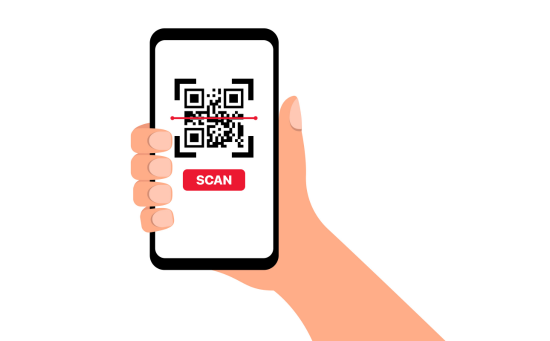
For Individuals
Consumers can make payments to businesses, organisations and public or private sector entities using a payment code (RF/QR), without knowing the IBAN, and using the channel of their choice (web banking, mobile banking).
The RF payment code is a unique 25-digit code that enables payment via credit transfer. Alternatively, it can also be displayed as a QR code, allowing payments to be completed simply by scanning it through the mobile banking app of participating banks.
Indicatively, payment codes are used by tax authorities for tax payments (e.g., vehicle tax), social security funds, energy providers, telecommunications companies, insurance providers, pharmaceutical companies, courier companies, car dealerships, private educational institutions, and retailers in apparel and cosmetics.
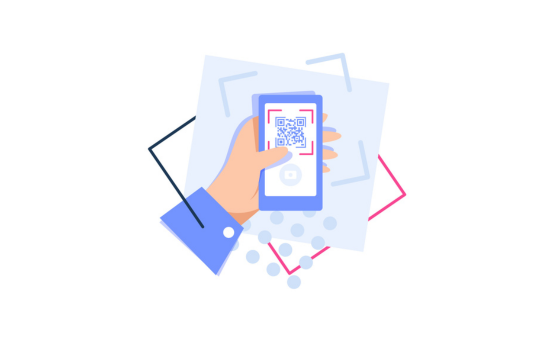
The RF code ensures that every payment is accurately matched to the correct payer or liability. In the event of an error or return, the transaction can be quickly and securely identified.
Convenience
Make payments simply by scanning the QR code or using the RF code - without searching for the organisation or merchant within web banking or mobile banking.
Fast payments
Payments are completed within seconds, 24/7/365.
Security & Reliability
Error-free transactions executed in accordance with ISO 11649 & ISO 20022.
For Businesses
Businesses collect and identify payments using the payment code (RF/QR) they provide to their customers.
The RF payment code is a unique 25-digit code that enables payment via credit transfer, without requiring the entry of an IBAN. Alternatively, it can be displayed as a QR code, allowing payment completion simply by scanning it through the mobile banking app of participating banks.
Indicatively, payment codes are already used by energy providers, telecom companies, insurance companies, pharmaceutical companies, courier companies, car dealerships, private educational institutions, and retailers in apparel and cosmetics.
Benefits for businesses:
Immediate confirmation of payment
Simplified collection and reconciliation
Payment flexibility from any bank
Implementation support tools
Through an automated test environment.
Flexible integration
From the simplest to a fully automated implementation.
For Public-Sector Entities
Public-sector entities can collect payments easily and quickly through the payment code they provide to citizens.
The RF payment code is a unique 25-digit code that enables payment via credit transfer, without requiring the entry of an IBAN. Alternatively, it can also be displayed as a QR code, allowing the citizen to complete the payment by scanning it via mobile banking of participating banks.
Indicatively, payment codes are used by public authorities and bodies such as AADE (vehicle tax), e-EFKA, the Hellenic Cadastre, Municipalities and Chambers.
Benefits for public-sector entities:
Immediate confirmation of payment
Simplified collection and reconciliation
Payment flexibility from any bank
Implementation support tools
Through an automated test environment.
For Payment Service Providers
RF/QR payments are available to businesses and public-sector entities for the collection of their receivables, simply by contacting the Payment Service Provider of their choice.
On the other side, the PSP’s customers execute payments using only the payment code—without needing to know the beneficiary’s IBAN.
More specifically:
- Payment submission from the Payment Service Provider to the service can be done via file or online message.
- The beneficiary organisation’s IBAN may be used exclusively for RF Code Payments or may be permitted to receive other credits as well.
- Banks may enter into bilateral financial agreements.
- The technical integration of the organisation is carried out with DIAS.
- An automated test environment is available for business/organisation integration.